 Deutsch
 English
 Italiano
 Español
What Is AHL Fertilizer?
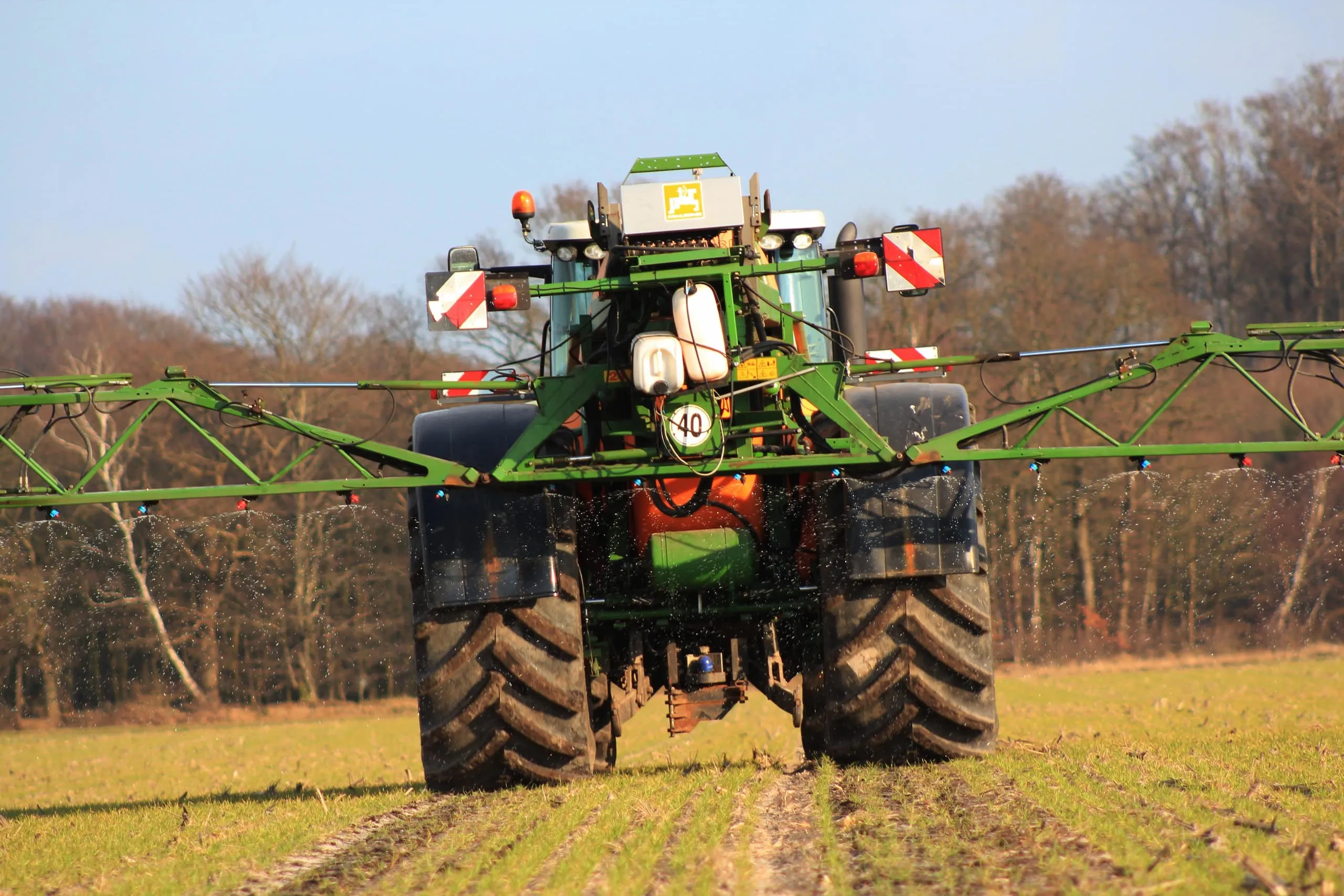
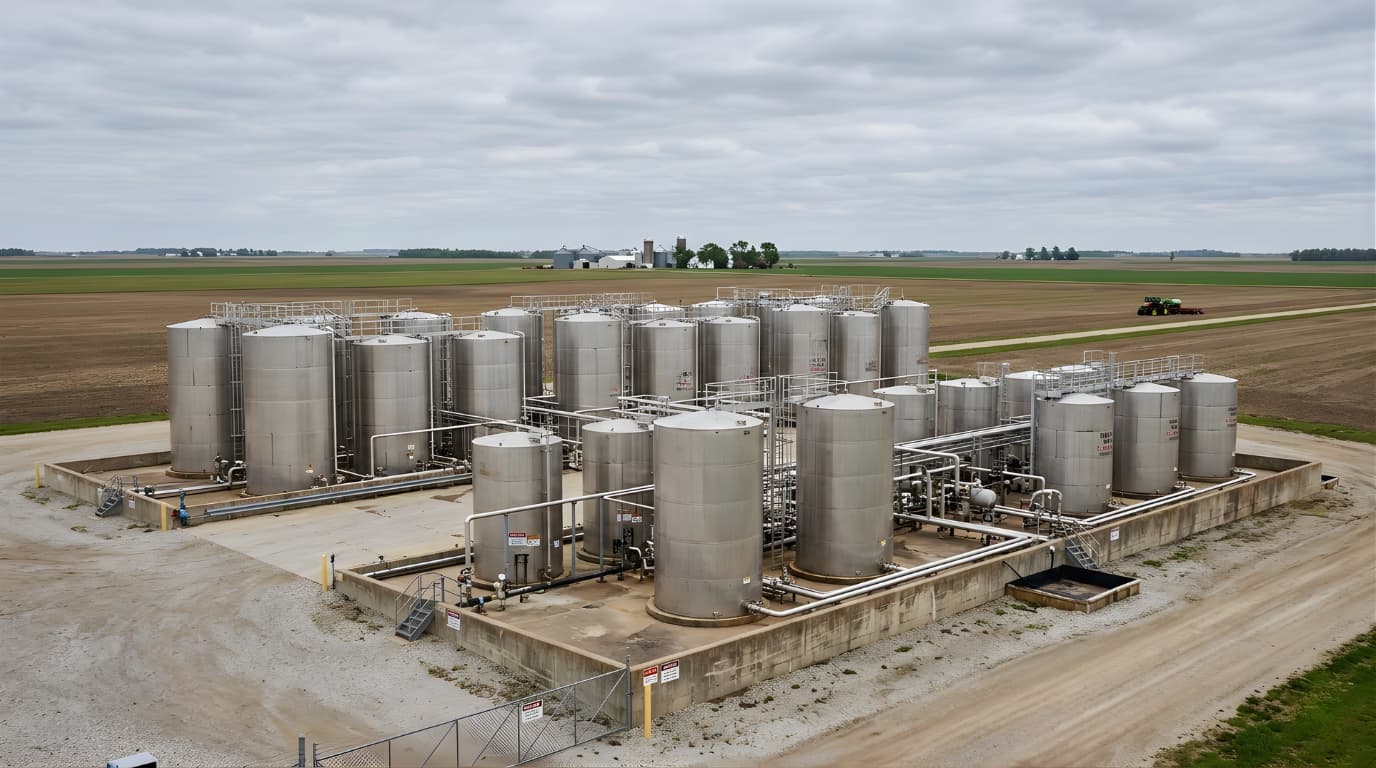
AHL (ammonium nitrate urea solution) is the most widely used liquid fertilizer in German agriculture. The solution contains nitrogen in three forms and enables particularly uniform application by field sprayer.
AHL is an aqueous solution of ammonium nitrate and urea with a nitrogen content of typically 28–32 %. By combining three nitrogen forms — ammonium, nitrate and amide — the nutrient is made available to plants both immediately and with a time delay. AHL fertilizer is stored in dedicated AHL storage tanks and applied via field sprayers.
In addition to AHL, other liquid fertilizers are also used, including SHL (sulfur-containing urea solution), which supplies both nitrogen and sulfur, as well as ASL (ammonium sulfate solution). All of these liquid fertilizers are classified as water-hazardous substances (typically WGK 1 — slightly water-hazardous) and are subject to the AwSV requirements regarding storage and tank design.
AwSV: The Central Regulation for Liquid Fertilizer Tanks
The AwSV (Verordnung über Anlagen zum Umgang mit wassergefährdenden Stoffen — Regulation on Installations Handling Water-Hazardous Substances) has been the decisive regulatory framework for the planning, construction and operation of liquid fertilizer tanks in Germany since 2017.
The AwSV replaced the previously divergent state-level regulations (VAwS) and for the first time created a uniform national regulation for all installations handling water-hazardous substances. It is based on § 62 of the WHG (Wasserhaushaltsgesetz — Federal Water Act) and governs, among other things:
- Technical requirements for tank construction, leak-tightness and containment (§§ 17–26)
- Hazard levels (A through D), determined by tank volume and the WGK (water hazard class) of the stored substance (§ 39)
- Inspection obligations by accredited experts — initial inspection before commissioning and, where applicable, recurring inspections (§ 46)
- Operator obligations such as notification duty, self-monitoring, operating instructions and documentation (§§ 40–46)
- Certified contractor requirement for installation, repair and decommissioning of the facility (§ 45)
WGK Classification and Hazard Levels
AHL, ASL and SHL are generally classified in water hazard class 1 (WGK 1 — slightly water-hazardous). The exact WGK must be documented by the operator based on the safety data sheet of the respective manufacturer.
The WGK and tank volume together determine the hazard level under § 39 AwSV, which in turn defines the scope of operator obligations:
| Volume | Hazard Level (WGK 1) | Inspection Obligation |
|---|---|---|
| up to 10 m³ | A | No expert inspection required |
| 10 to 100 m³ | A | No expert inspection required |
| 100 to 1,000 m³ | B | Initial inspection before commissioning |
| over 1,000 m³ | C | Initial inspection + every 5 years |
Materials for Liquid Fertilizer Tanks: PE, GRP, Steel & Stainless Steel
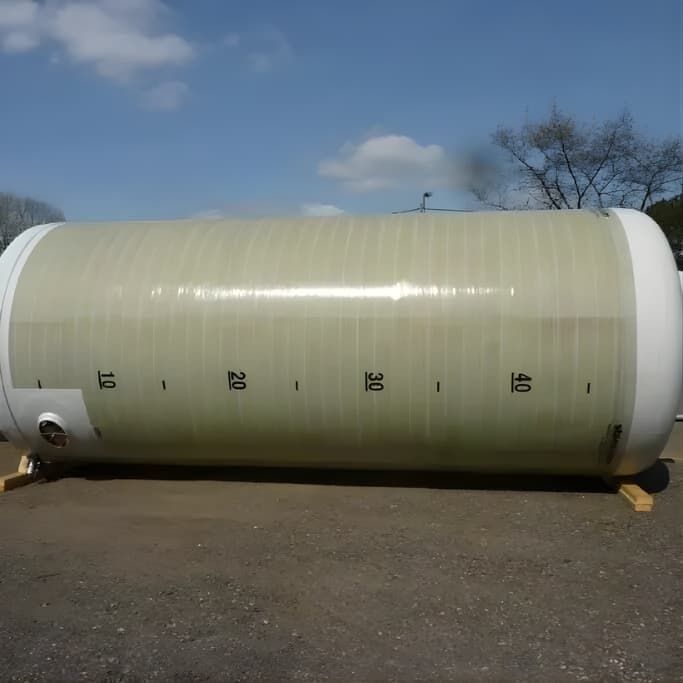
Liquid fertilizer tanks must be robust, leak-tight and resistant to chemical attack. The choice of material affects not only service life, but also structural design and corrosion protection.
An important factor in material selection is the density of AHL: at approximately 1.28–1.32 kg/l (depending on nitrogen content), it is around 30 % higher than that of water. A 100,000-litre tank must therefore be designed for a liquid mass of up to 132 tonnes — the tank wall, foundation and installation surface must be dimensioned accordingly.
The following materials are generally suitable for liquid fertilizer tanks:
- Polyethylene (PE) — chemically resistant to AHL, lightweight and cost-effective. Only available in single-wall construction, and therefore only permissible in combination with a containment bund.
- GRP (glass-fibre reinforced plastic) — high strength at low weight. Also only available in single-wall construction and only permissible in combination with a containment bund.
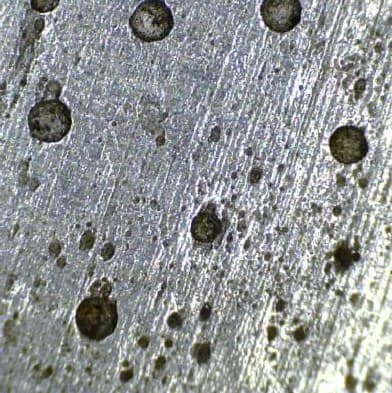
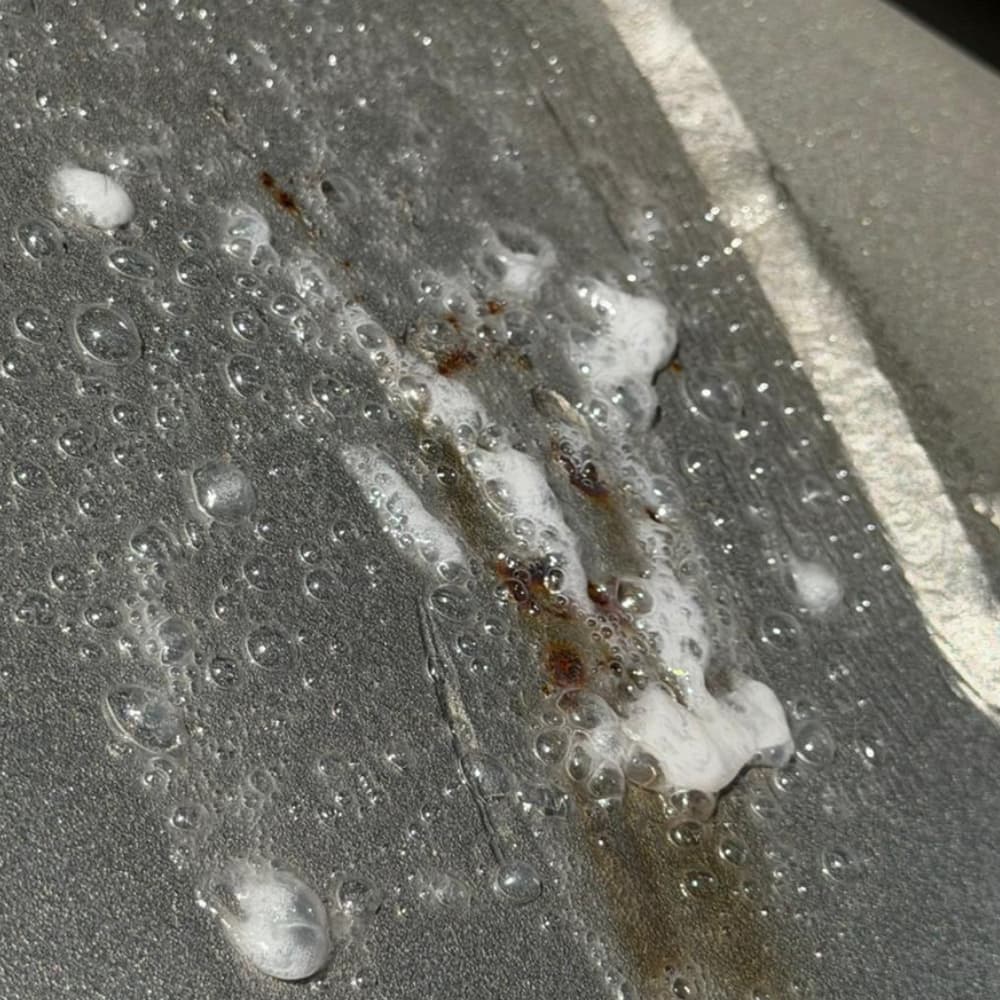
- Steel (to DIN 6616/EN 12285) — stable and long-lasting, but not resistant to AHL without an internal lining. Nitrate and ammonium ions cause surface corrosion; stress corrosion cracking can occur at welds. A type-approved internal lining (e.g. epoxy resin or PE internal lining with abZ — general building authority approval) is mandatory.
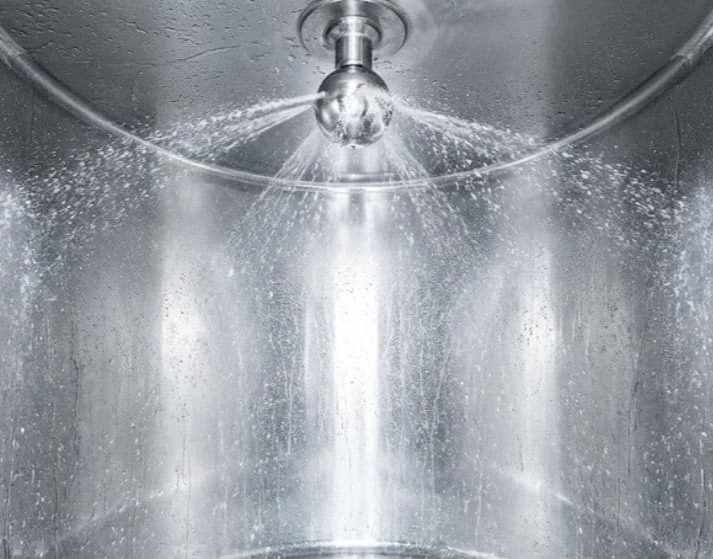
- Stainless steel (e.g. 1.4301/AISI 304 or 1.4571/AISI 316) — corrosion-resistant and versatile. Even for stainless steel, the material suitability for the specific liquid fertilizer should be confirmed by manufacturer specifications.
Fittings and Pipework
Not only the tank itself, but all liquid-carrying components must be AHL-resistant:
- Suitable: PE, PP, PVC-u, stainless steel, PTFE seals
- Not suitable: Copper, brass, bronze, zinc, galvanised components and unalloyed steel without coating — ammonia and nitrate aggressively attack these materials
Legal Regulations: WHG, AwSV & DüMV
The storage of liquid fertilizer in tank installations in Germany is subject to a multi-tiered regulatory framework designed to protect the environment and groundwater.
The most important regulations at a glance:
- WHG (Wasserhaushaltsgesetz — Federal Water Act): Forms the legal basis. Liquid fertilizer is classified as a water-hazardous substance. § 62 WHG authorises the federal government to issue the AwSV, which regulates the technical requirements in detail. Tanks must meet strict WHG safety requirements.
- AwSV (Verordnung über Anlagen zum Umgang mit wassergefährdenden Stoffen — Regulation on Installations Handling Water-Hazardous Substances): Since 2017, the central regulatory framework for tank installations. Governs WGK classification, hazard levels, technical requirements for tank construction and containment, inspection obligations and operator/documentation duties as well as the certified contractor requirement.
- DüMV (Düngemittelverordnung — Fertiliser Ordinance): Regulates the safe handling of fertilizers, including storage and labelling. Tanks must be clearly labelled to prevent mix-ups.
Correct Storage of Liquid Fertilizer: Installation Surface, Labelling & Ventilation
Proper storage of liquid fertilizer requires a suitable installation surface, correct labelling and regular monitoring by the operator.
- Storage in suitable tanks: Only double-wall storage tanks with a leak detection system or single-wall tanks with an officially approved containment bund may be used. Both options are equally permissible under AwSV.
- Installation surface: The installation surface must be liquid-impermeable and load-bearing. For concrete foundations, FD-Beton (fluid-tight concrete) conforming to the DAfStb (German Committee for Reinforced Concrete) guideline is required. The surface must be designed so that any escaping substance flows into the containment system.
- Site selection: The required distances to bodies of water and wells are determined by the hazard level of the installation, local permit conditions and, where applicable, the water protection zone regulation. There is no uniform minimum distance applicable throughout Germany — the competent water authority determines the requirements on a case-by-case basis.
- Protection from weather: Liquid fertilizer should not be exposed to extreme temperatures. Covered storage is recommended, as some liquid fertilizers can crystallise at low temperatures.
- Labelling: Every tank must be clearly labelled — with information on the stored substance, its WGK classification and the corresponding safety measures.
- Ventilation: Particularly for large tanks, adequate ventilation is important to prevent pressure build-up.
Double-Wall Liquid Fertilizer Tank or Single-Wall with Containment Bund?
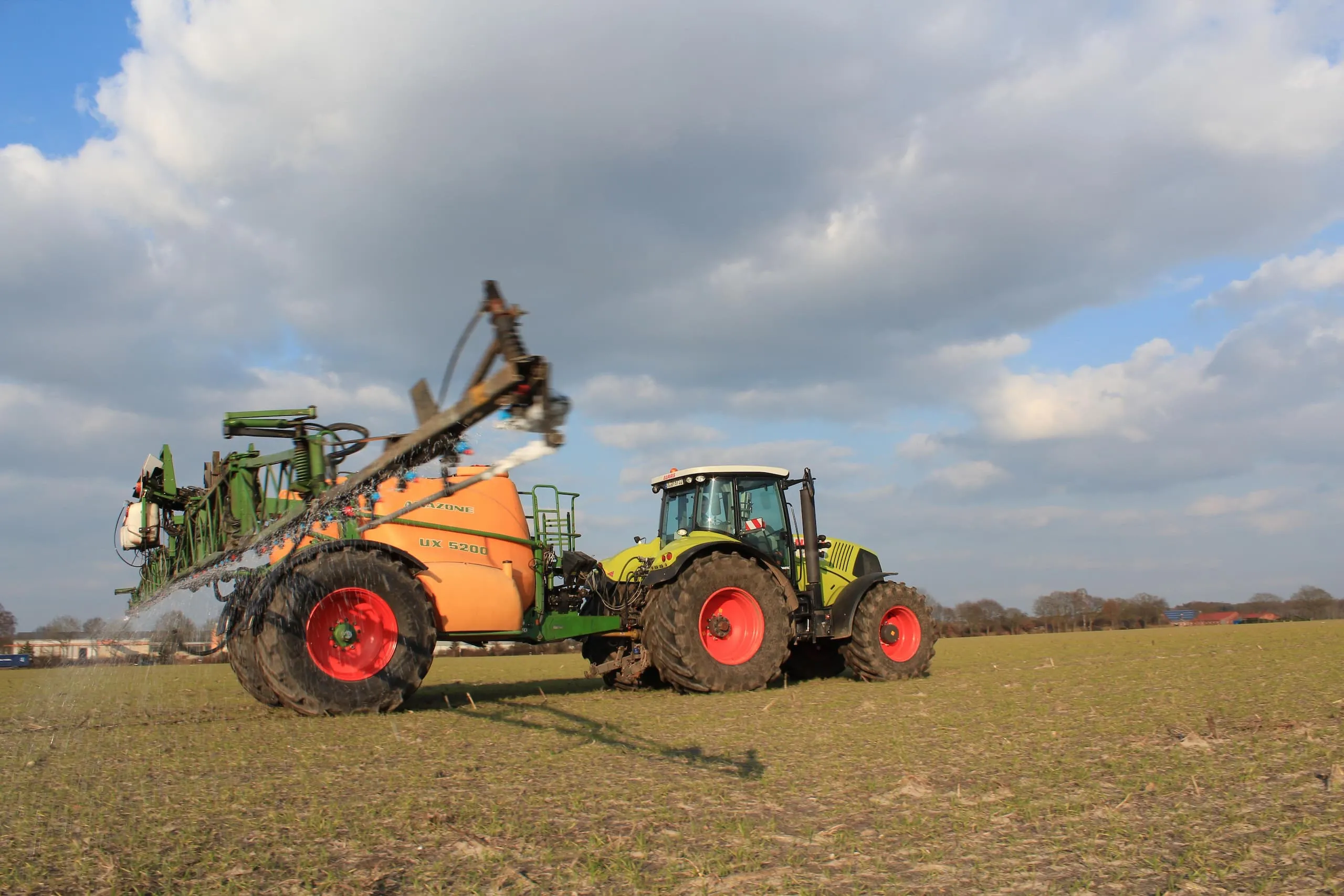
The AwSV permits two equally valid approaches to achieving the containment protection objective: a double-wall tank with a leak detection system, or a single-wall tank with an adequately dimensioned containment bund.
Double-Wall Tanks
Double-wall tanks consist of two independent walls with a monitoring space between them. This space must be equipped with a leak detection system that identifies leaks in both walls. Double-wall steel tanks to DIN 6616/02 are widely used. If corrosion occurs in the product space, the leak alarm triggers before liquid fertilizer can escape into the environment. For use as a liquid fertilizer tank, a type-approved internal lining is required for steel tanks.
Stainless Steel Tanks
Stainless steel tanks (e.g. made from 1.4301 or 1.4571) are particularly corrosion-resistant and versatile. Stainless steel tanks can also be considered as liquid fertilizer tanks — however, material suitability for the specific liquid fertilizer should be verified against manufacturer specifications.
Plastic Tanks & GRP Tanks
Tanks made from polyethylene and GRP are cost-effective, lightweight and chemically resistant to AHL. However, these tanks are only available in single-wall construction and are therefore only permissible for liquid fertilizer storage in combination with a containment bund.
Single-Wall Tanks with Containment Bund
If a single-wall tank is to be installed, it must be placed within a containment bund. The retention volume must be at least equal to the volume of the largest vessel. In water protection zones, the entire storage volume may be required as retention volume. The containment bund is also subject to official approval and must be liquid-impermeable.
Double-Wall Tank — Advantages
- No separate containment bund required
- Integrated leak detection system monitoring both walls
- Greater groundwater protection through double barrier
- More space-efficient than tank plus containment bund
Single-Wall Tank — Points to Note
- Containment bund must hold at least the volume of the largest vessel
- Containment bund requires its own official approval
- Greater space requirement due to external containment system
- Regular visual inspection of the containment bund by the operator is required
Operator Obligations and Documentation under AwSV
Anyone operating a liquid fertilizer tank is required by AwSV to carry out extensive self-monitoring, documentation and — depending on the hazard level — to prepare operating instructions.
- Notification obligation (§ 40 AwSV): For installations subject to inspection (from hazard level B onwards), the planned construction or material modification must be notified to the competent local water authority at least 6 weeks in advance.
- Self-monitoring (§ 46 AwSV): The operator must regularly check the leak-tightness of the installation, the operational readiness of all safety devices and the condition of the containment system.
- Installation documentation (§ 43 AwSV): The installation layout, substances in use with their WGK classification, construction type, materials, safety devices and inspection reports must be documented and available at all times.
- Operating instructions (§ 44 AwSV): From hazard level B, complete operating instructions with a monitoring, maintenance and emergency plan are required. Employees must be trained annually.
- Certified contractor requirement (§ 45 AwSV): Construction, repair and decommissioning of the installation may only be carried out by accredited contractors. Inspections are performed by accredited expert organisations (e.g. TÜV, DEKRA).
Conclusion
The storage of liquid fertilizer requires both thorough planning and compliance with the AwSV as the central regulatory framework. Choosing the right tank — double-wall with leak detection system or single-wall with a containment bund, manufactured from plastic, coated steel or stainless steel — is decisive for preventing environmental damage and ensuring operational safety.
Early coordination with the competent local water authority is important in order to clarify state-specific and site-specific requirements. When sourcing a tank, a used tank may also be an option, provided it meets the applicable AwSV requirements and a current leak-tightness inspection report is available.