
Quotation Request
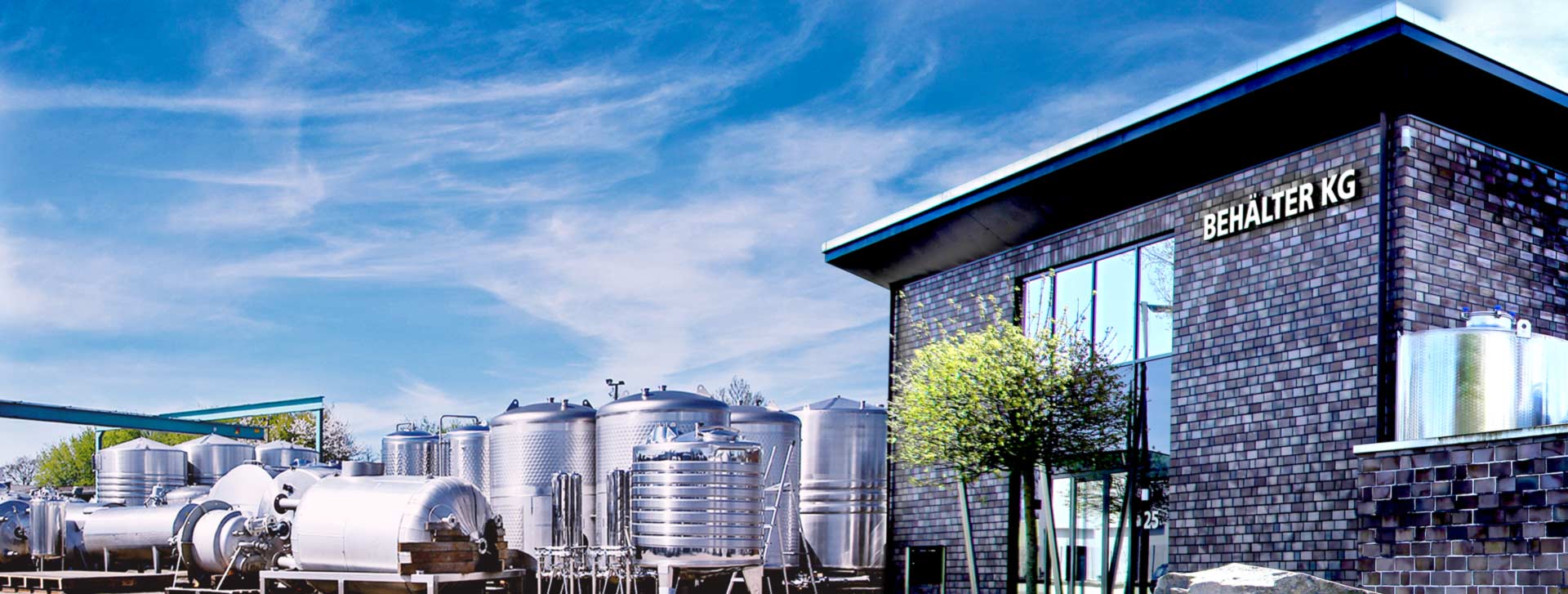
Company premises and warehouse of Behälter KG Bremen
Welcome to Behälter KG

Stainless Steel Vessels:
Purchase, Sale &
Custom Manufacturing

2,500 used and brand-new vessels, tanks, process equipment and agitators. Available for immediate delivery from Germany for industrial applications in the food, pharmaceutical and chemical industries.

2,500+ Quality-tested
vessels in stock
60+ Years of experience
in vessel construction
Worldwide shipping
from Bremen
Quick search for vessels

Our Product Range

Bestsellers

All Stainless Steel Vessels
Used & new
Pressure Vessels
Pressure- or vacuum-rated
Agitator Vessels
Industrial mixing technology
Reactors
Pressure-rated process vessels

Stainless Steel Vessels – from Stock and Custom-Built

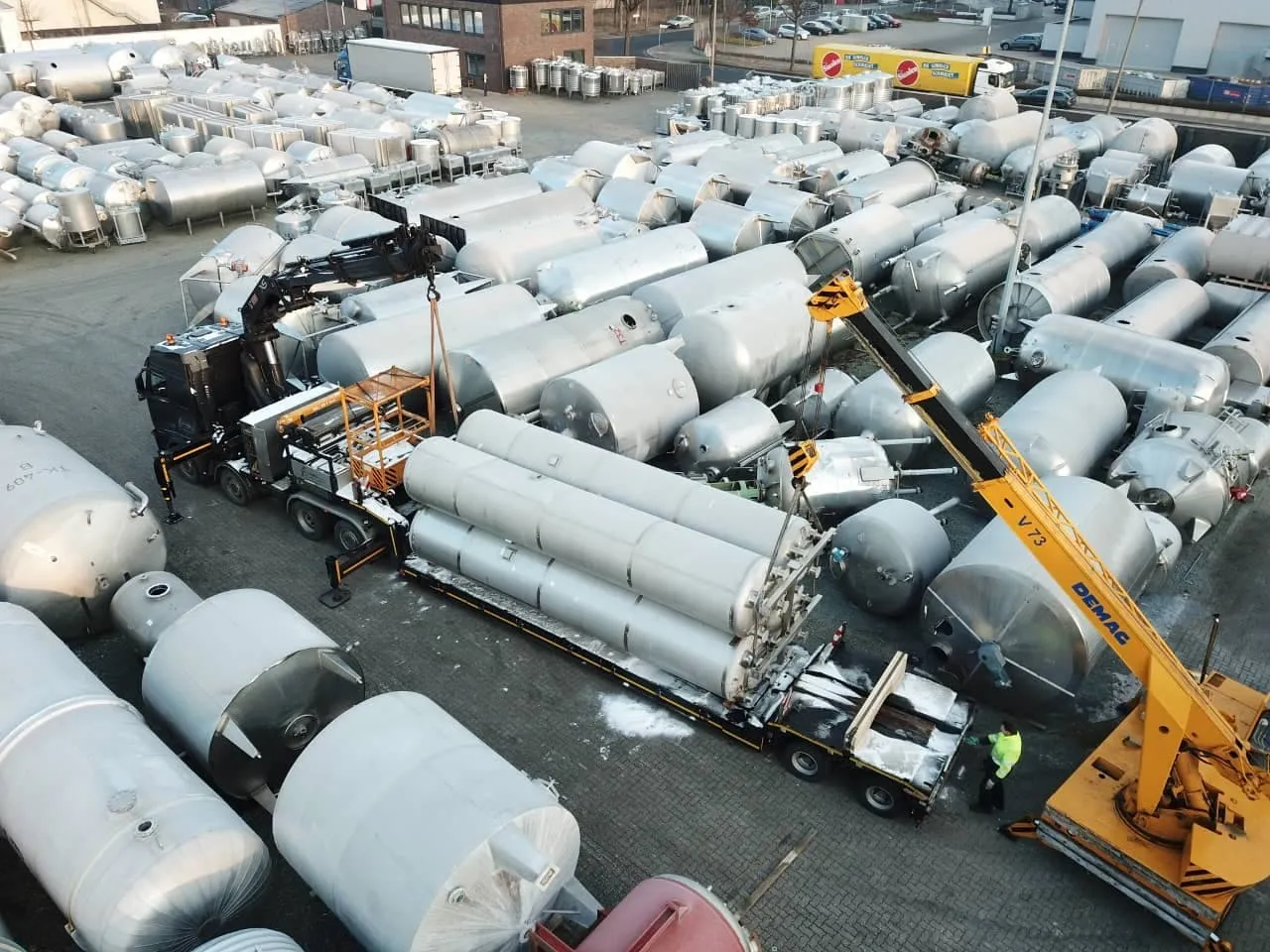
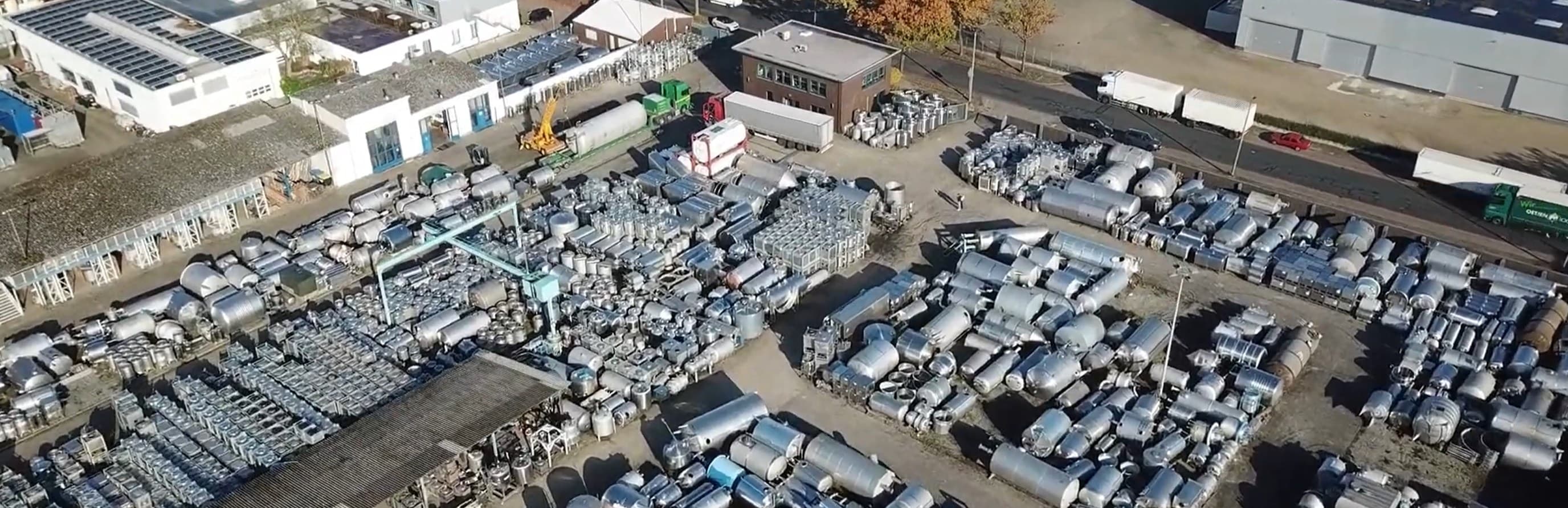
Our Warehouse – over 2,500 quality-tested vessels ready for dispatch

Stainless steel vessels and tanks in the warehouse of Behälter KG Bremen

Our Warehouse – over 2,500 quality-tested vessels ready for dispatch

Our warehouse holds over 2,500 quality-tested vessels – from stainless steel tanks and pressure vessels to agitator vessels and reactors. All equipment is technically inspected before dispatch and available for immediate delivery.

We also offer the option to trade in vessels – allowing you to exchange equipment you no longer need for new products.

Custom Manufacturing – your partner for tank and vessel construction

Custom Manufacturing – your partner for tank and vessel construction

  • Brand-new agitator and mixing vessels made of stainless steel – precisely engineered to your specifications
  • Pressure- and vacuum-rated, heatable/coolable, optionally in ATEX design
  • Dedicated contact person and over 60 years of experience in vessel and tank construction
References →
Brand-new stainless steel agitator vessels, custom-built
Used stainless steel vessels – circular economy and reuse

Quality for over 60 years

Since 1965, Behälter KG has stood for quality, expertise and reliability in the field of stainless steel vessels, tanks and process technology. From our 20,000-square-metre site in Bremen, we serve customers across Europe – from the food and pharmaceutical industries to chemicals, cosmetics and biotechnology. Whether used vessels from our extensive inventory, brand-new custom-built units or the professional dismantling of complete production plants: we combine Hanseatic trading tradition with technical competence.

Purchase and sale of used stainless steel vessels
Brand-new vessel construction to your specifications
Dismantling and decommissioning of complete production plants
Worldwide shipping from our own warehouse in Bremen

Latest from our Blog

All articles

Latest from our Blog

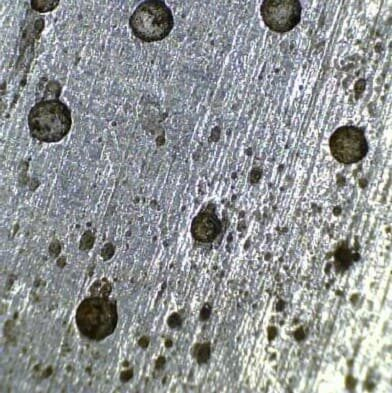
  • Pitting Corrosion in Stainless Steel: Causes, Detection and Repair
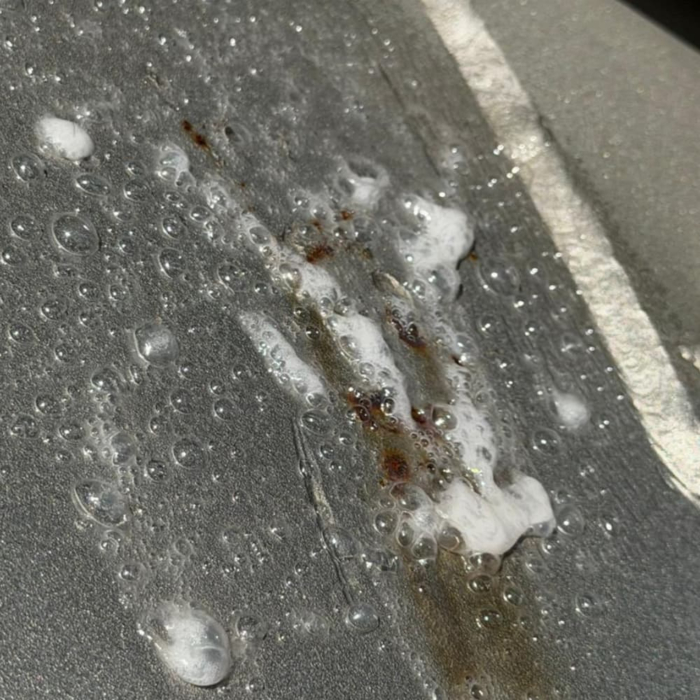
    Close-up of pitting corrosion and incipient rust formation on a stainless steel surface

    Although stainless steel is commonly referred to as “rust-free,” tanks and equipment made from stainless steel are not completely immune to corrosion. Under unfavorable conditions – such as improper cleaning, contact with aggressive media, or long periods of inactivity – rust formation and pitting corrosion can occur. These damages often go unnoticed at first but can compromise the long-term functionality and lifespan of stainless steel. In this article, you will learn how pitting corrosion develops, which causes are common, and what measures can help effectively prevent corrosion.
    Read more »
  • Chemical Resistance of Stainless Steel – Comparison Table for 304 & 316L
    Close-up of rust and blistering on a stainless steel surface caused by chemical attack
    How resistant is stainless steel to acids, alkalis or salt water? The answer depends on the alloy and the conditions of use. This article explains how chemical resistance works, what the rating levels mean and how V2A and V4A differ in concrete terms. You will also find a searchable reference table with over 990 media — from acetic acid to chlorine bleach — including ratings at 20 °C and 50 °C.
    Read more »
  • CIP Cleaning (Clean-in-Place): Meaning, Process & Requirements for Tanks
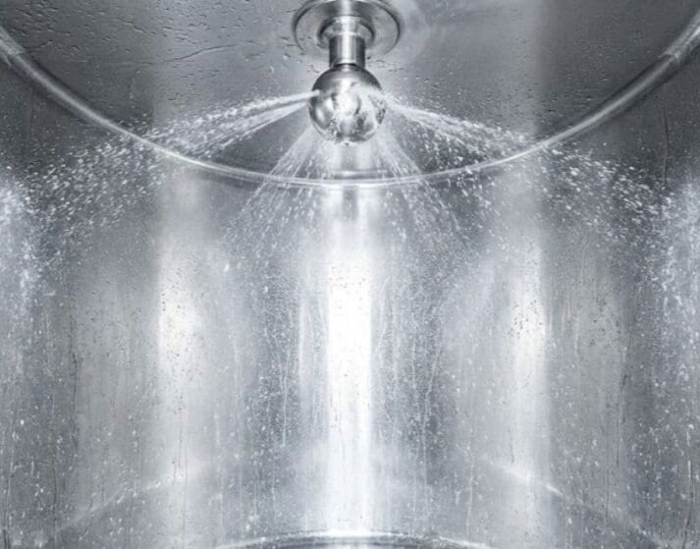
    CIP cleaning with rotating spray head in stainless steel container
    CIP (Cleaning in Place) enables reproducible cleaning in a closed system – without dismantling and with clearly documented process parameters. In this article, you will learn when CIP is useful, which design and process factors determine cleaning success, and where typical weak points lie in practice.
    Read more »
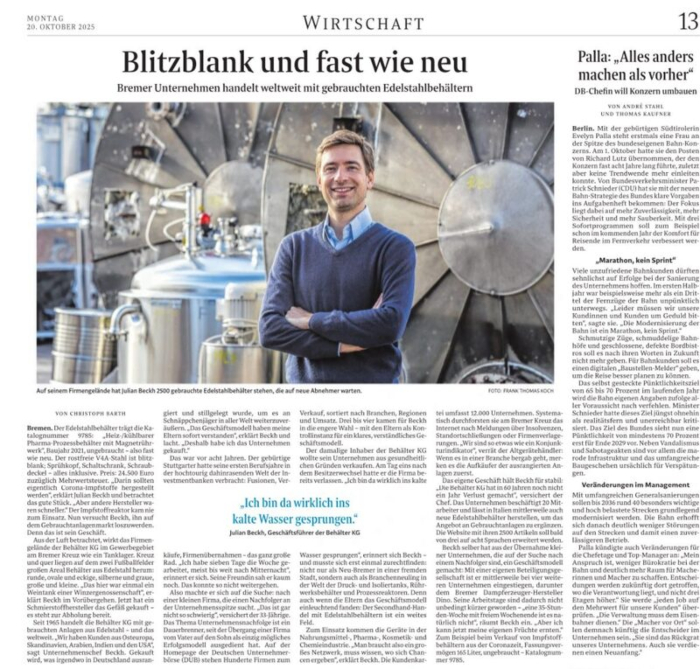
  • Behälter KG Bremen featured in Weser Kurier
    Screenshot of a Weser-Kurier press report about Behälter KG and used stainless steel vessels

    In the Weser-Kurier, Julian Beckh is portrayed as Managing Director of Behälter KG, highlighting how the Bremen-based company trades used stainless steel equipment worldwide whenever production lines in chemical or food processing plants are shut down.

    The article sheds light on the company’s background since 1965, its international customer base, and Beckh’s entry as successor following his career in investment banking. It also describes how Behälter KG identifies opportunities early through a large network and an extensive customer database, and how it expands its portfolio by adding new vessels.

    Read more »
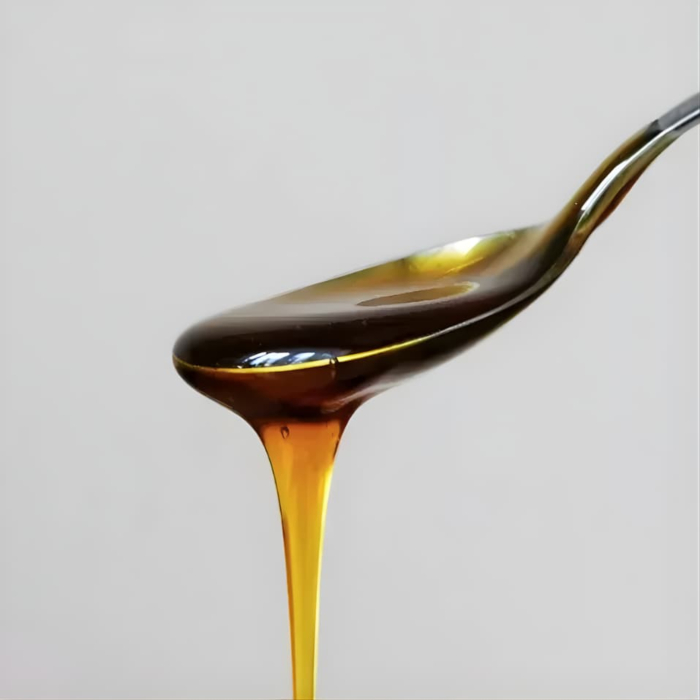
  • Viscosity Table: Dynamic Viscosity (mPas) for 80+ Liquids
    Viscous oil dripping from a spoon – example of high viscosity

    Viscosity describes the thickness (flow resistance) of liquids and gases. The higher the value, the thicker (less flowable) the medium – the lower the value, the thinner (more flowable) it is. For liquids, viscosity increases as the temperature decreases. Therefore, viscosity should always be considered together with the corresponding temperature.

    For selecting the right agitator or an appropriate mixing tank, knowing the viscosity of your medium is a key factor. The viscosity table below provides practical reference values for a wide range of liquids, helping you quickly categorize your medium.

    By the way: the term “viscosity” originates from the viscous juice of mistletoe berries (Viscum), which was historically used to make birdlime – so “viscous” essentially means “sticky like birdlime.”

    Read more »
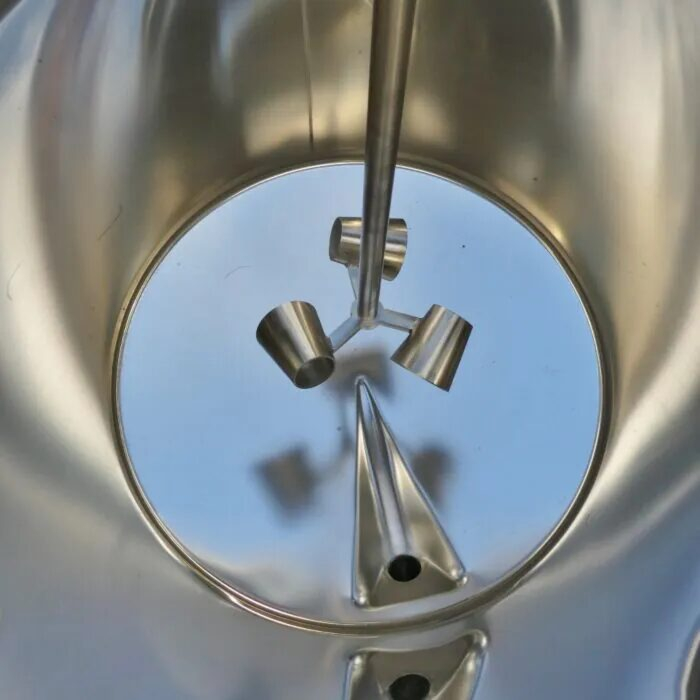
  • ATEX Certification for Agitator Vessels: EX Zones, Equipment Categories and What to Look For
     ATEX-compliant stainless steel mixing vessel with triple agitator for use in EX zone 1 of the chemical and food industries
    Stainless steel agitator vessels are used every day across industries – from chemical processing and pharmaceuticals to food and beverage production. Wherever flammable liquids, gases or dusts are handled, ATEX certification becomes mandatory: it ensures that equipment such as agitators, drives and vessels can be operated safely and reliably even in potentially explosive atmospheres. This article explains what ATEX certification means, how EX zones are classified, what the ATEX marking tells you – and what to look for when selecting agitator vessels for hazardous areas.
    Read more »
  • Stainless Steel Grades for Tanks & Vessels: 304 vs 316, V2A, V4A & Material Numbers Explained
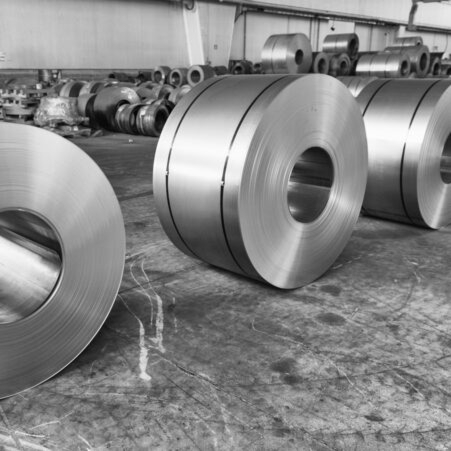
    Large stainless steel coils made from rolled steel strip stored in an industrial hall, raw material for the manufacture of process vessels and industrial plant components.

    Stainless steel has played a central role in vessel and plant construction for over 100 years. The most common grades belong to the groups V2A and V4A. What do these abbreviations mean? How do you read a material number correctly? And which VA steel is suited for which medium? This article provides a clear overview of all relevant stainless steel grades, their differences and typical applications.

    In practice, stainless steel vessels often combine both groups. All product-contact components are made from V4A stainless steel. Structural elements such as legs or crane lugs use chromium-nickel steel instead. The reason is simple: highly alloyed materials cost significantly more. They are only used where their properties are technically required.

    Read more »
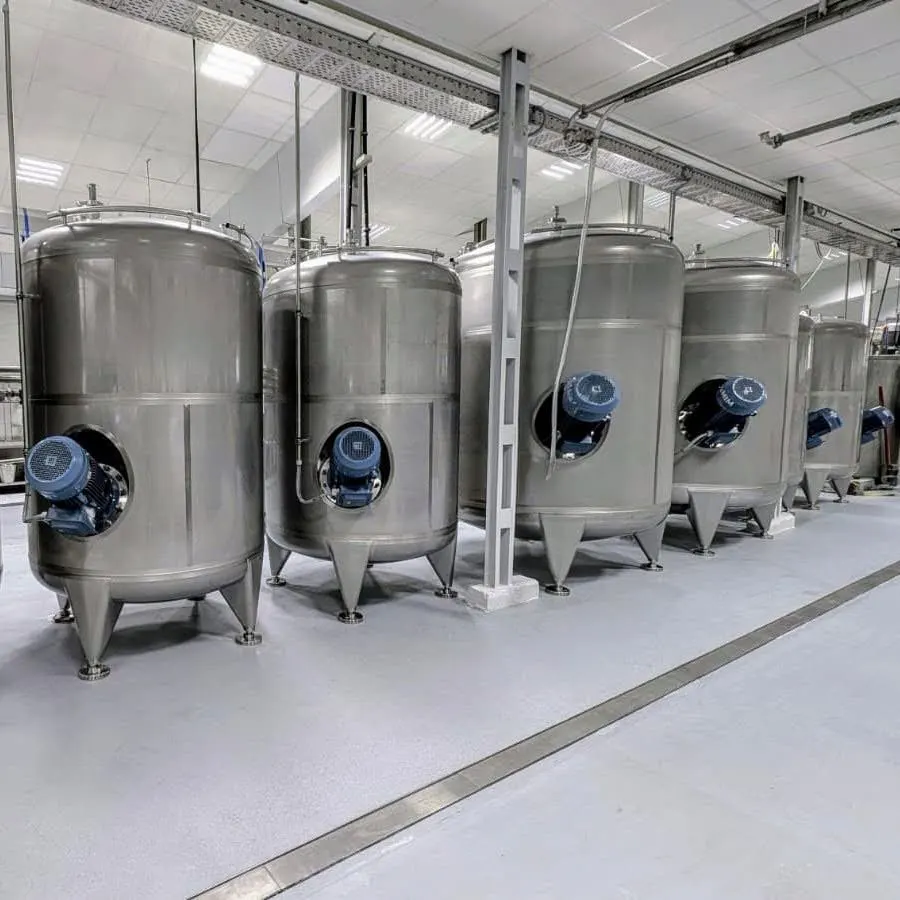
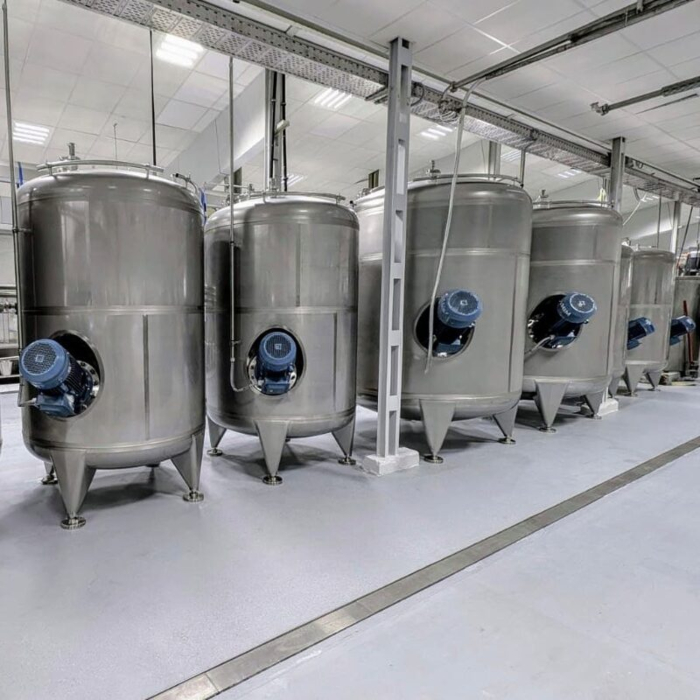
  • Complete mixing room for cosmetic production with 7 stainless steel mixing tanks
    Complete mixing room for cosmetic production with 7 stainless steel mixing tanks

    K2517892

    For a customer in the cosmetics industry, eight universal stainless steel mixing vessels were manufactured. The vessel volumes range from 4,000 to 8,000 litres per mixer tank. Each unit was designed for operation under -0.5 bar vacuum and a product density of up to 1.2 kg/litre. All vessels were equipped with side-mounted jet stream mixers to process demanding cosmetic creams and lotions with viscosities of up to 30,000 mPas. The delivery included CIP lines, spray heads, and illuminated sight glasses. The previous mixing room was taken in part exchange by Behälter KG and directly offset against the investment costs.

    Please contact us for further information or to discuss similar projects.

    Read more »

Your Enquiry to Behälter KG

Address

Behälter K.G. Bremen GmbH

Theodor-Barth-Str. 25

28207 Bremen, Germany

Opening Hours

Mon – Thu: 8:00 – 17:00

Fri: 8:00 – 16:00

Location of Behälter K.G. Bremen GmbH, Theodor-Barth-Str. 25, 28207 Bremen
* Required fields
Thank you!
Shopping Cart